


Advertising seems like such a simple topic, but in reality, like most things it has incredibly complex minute factors. From the billboards we see on the freeway to the advertisements we read on our webpages and in our magazines, advertising is everywhere. In a society that has been cultivated to become increasingly consumer oriented, advertising has become a part of daily life that we both realize, and underestimate. Today, I will briefly summarize just a few of the marketing principles and advertising strategies that go into every ad we see in our everyday life.

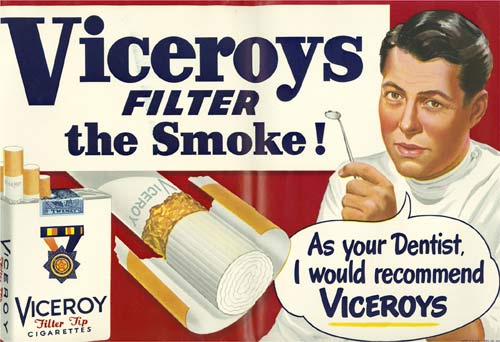
Through my readings and experiences I have learned about a variety of advertising strategies commonly used both in the past and today. First I would like to highlight the association principle. This principle, like most advertising principles, is about persuading the buyer by association to something that the consumer wants to see. Positive cultural images and values are key to this principle, regardless about how little the association might actually have to do with the product or service. In a way, it might all seem like an elaborate trick, but after all advertising doesn't force us to believe anything, just paints an impressive picture

An effect that I have often seen successful in my peer age group is the bandwagon effect. The idea that if everyone else is doing it/buying it, you will uncontrollably feel the desire to jump on the bandwagon.

Next we have the famous person testimonial. Exactly like it sounds, the famous person approach uses the familiarity and idolization of famous people as icons encouraging you to believe in their product. The idea being that if this amazingly beautiful/successful famous icon thinks it's the best, why wouldn't you? Don't you want to be more like your favorite icon anyway? Of course this approach hinges heavily on the appreciation of a certain figurehead within a society. If peoples opinion of an icon falls, than their opinion on the product might fall if the person is still associated with the product. This presents a double edged sword for the more risky famous people getting advertising deals, it's all about what the majority of people want to see.

A few of the more aggressive advertising tactics are the snob-appeal approach and the irritation advertising. Irritation advertising is something that is typically used in local advertisements as opposed to national and international campaigns. This type of advertising is typically not very successful, though there are the flukes that do occasionally work. Lastly there is the snob-appeal approach. This approach is all about appealing to the consumers desire to rise in social ranks, a task which can be accomplished by buying whatever good their selling. These are typically more "luxury" items, or items that advertisers want consumers to think are more fancy or high class.

As times change, cultural values change as does our idea of beauty and what is appealing. When comparing ads from the early twenties to today, our idea of what would attract us to buy that product are completely different. Much like many things, this industry is constantly evolving and changing.
Ultimately these are just a few of the varied methods, approaches and effects that marketers and advertisers use on a daily basis. The next time you read or hear an ad you'll probably be able to classify it under one of the aforementioned concepts. While clever marketing is key to the success of a product, it almost seems like willful misleading or manipulation of the consumer. I guess the key is to base your purchases more off of research into the actual product than flashy marketing schemes which may or may not be the most upfront.

No comments:
Post a Comment